When Trade Threats Finally Got Wall Street’s Attention – When Wall Street Finally Blinked at Trump’s Trade Threats
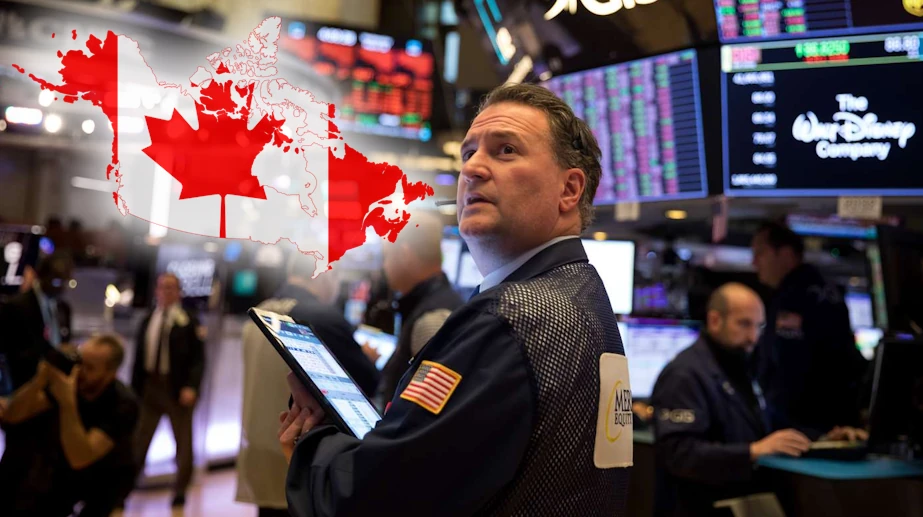
For months, investors seemed unfazed by President Trump’s escalating trade rhetoric. Tariff threats came and went,yet stocks kept climbing. That changed on Friday. A sudden drop in the markets followed Trump’s surprise announcement of a 35% tariff on Canadian goods, jolting Wall Street out of its complacency. The reaction wasn’t massive, but it was telling as Stock Market Drops After Trump Announces New Tariffs on Canada. For the first time in this trade saga, the market signaled it might actually be paying attention.
What Happened on Friday?
Stock prices fell on Friday after President Trump announced he would put a 35% tax (called a “tariff”) on goods coming from Canada. This tax would start on August 1st.
The Timeline:
- Thursday night: Trump made the announcement about the Canada tariff
- Friday morning: Stock futures (predictions about where stocks will open) immediately dropped
- Friday trading: When the stock market opened, prices fell across the board
- End result: This ended winning streaks for all major stock indexes
What Made This Different as to Make the Stock Market Drop
According to global news, earlier in the week, the stock market had mostly ignored Trump’s tariff threats. In fact, stocks hit record highs on Thursday even after he announced a 50% tariff on Brazil the day before. But the Canada announcement seemed to finally get investors’ attention.
Why Canada Matters:
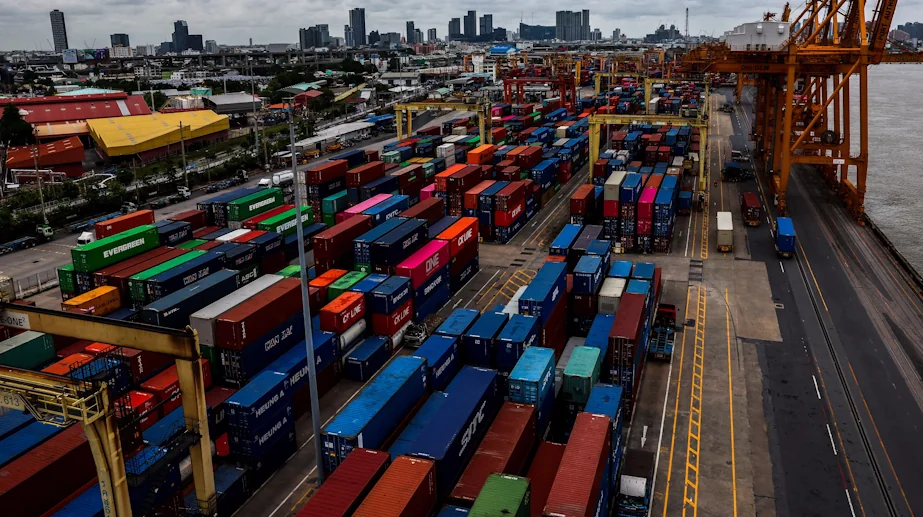
Canada is one of America’s biggest trading partners. The US imports a lot from Canada, including:
- Energy (oil and electricity)
- Raw materials like lumber and metals
- Food products
- Other manufactured goods
A 35% tariff would make all these things significantly more expensive for American businesses and consumers.
How Much Did Stocks Fall?
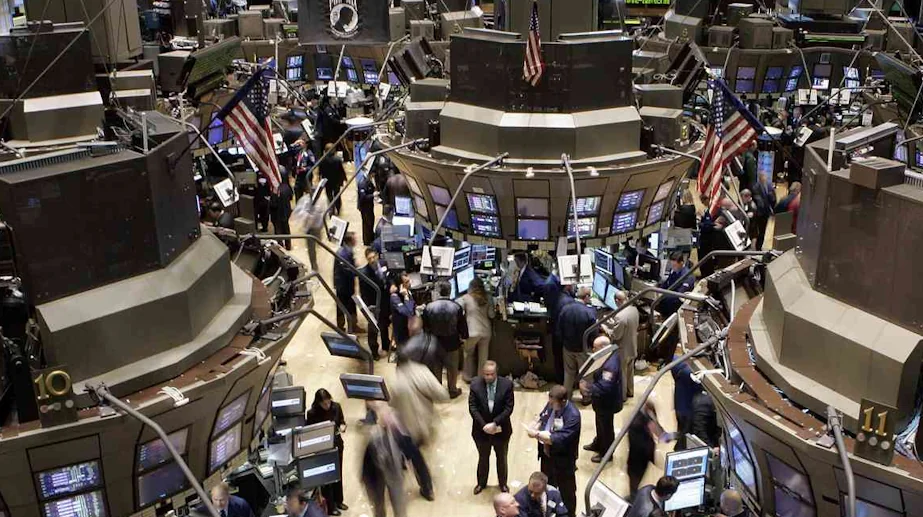
- The Dow Jones (a group of 30 big companies): Dropped 279 points, or about 0.63%
- The S&P 500 (500 big companies): Fell 0.33%
- The Nasdaq (mostly tech companies): Dropped 0.22%
Think of these like scorecards for how well different groups of companies are doing.
What This Means for Winning Streaks:
- The S&P 500 had been gaining for two weeks straight – this ended that streak
- The Dow had been winning for three weeks in a row – this broke that streak
- The Nasdaq had also been on a three-week winning streak – also broken
Comparing the Drops:
While stocks did fall, the drops were relatively small compared to other times when Trump announced tariffs. For example, back in March and April, tariff announcements caused much bigger stock market drops. This suggests that either:
- Investors are getting used to these announcements, or
- They don’t believe this tariff will actually happen
What Are Tariffs?
Tariffs are taxes that countries put on goods coming from other countries. If Canada sells something to the US for $100, with a 35% tariff, Americans would have to pay $135 total ($100 + $35 tax). This makes foreign goods more expensive and is meant to encourage people to buy American products instead.
Why Are Investors Reacting This Way?
This week, Trump also announced:
- A 50% tariff on Brazil
- Possibly higher tariffs on other countries
The “TACO Trade” Strategy:
Many investors are playing what some call the “TACO trade” – betting that “Trump Always Chickens Out” and won’t actually follow through with these tariffs. They think he’s just using them as a negotiating tool.
What’s Different About Friday:
What made Friday interesting is that investors had been mostly ignoring Trump’s tariff threats all week. Stocks even hit record highs on Thursday despite the Brazil tariff announcement. But the Canada tariff seemed to finally make investors pause and think.
The Mixed Signals:
In an interview with NBC News on Thursday, Trump said he thinks the tariffs have been “very well-received” and pointed to the stock market hitting new highs as proof. This created a confusing situation where:
- Trump sees high stock prices as approval for his tariff policy
- But investors might be pushing stocks higher because they don’t think the tariffs will actually happen
Expert Opinions on Investor Behavior:
Some experts think investors are too relaxed: Jamie Dimon, CEO of JPMorgan Chase, said there’s “complacency in markets” and they’re “a little desensitized”
Others think it’s smart strategy: Some believe investors are right to bet that these are just negotiating tactics
The Big Picture on the New Tariffs on Canada
Stock markets have been doing really well lately:
- Both the S&P 500 and Nasdaq hit all-time record highs this week
- Much of this growth is driven by big tech companies, especially those involved in artificial intelligence
- One company stands out: Nvidia became the first company ever to be worth more than $4 trillion. That’s more than the entire economy of most countries!
What Does This Mean for Regular People?
If these tariffs happen, goods from Canada (and other countries) could become more expensive
- This could mean higher prices at stores for things like food, materials, and other products
- However, many experts think these tariffs are more about negotiating than actually happening
Are Experts Worried?
Opinions are split:
- Some think it’s fine: They believe markets can handle this uncertainty and that deals will eventually be made
- Others are concerned: They worry that investors aren’t taking these threats seriously enough and that it could hurt the economy
The Bottom Line
The stock market had a small dip because of uncertainty about trade relationships, but it’s still near record highs. Many investors are betting that these tariff threats are just negotiating tactics and won’t actually be implemented. However, if they do happen, it could mean higher prices for consumers and more market volatility in the future.