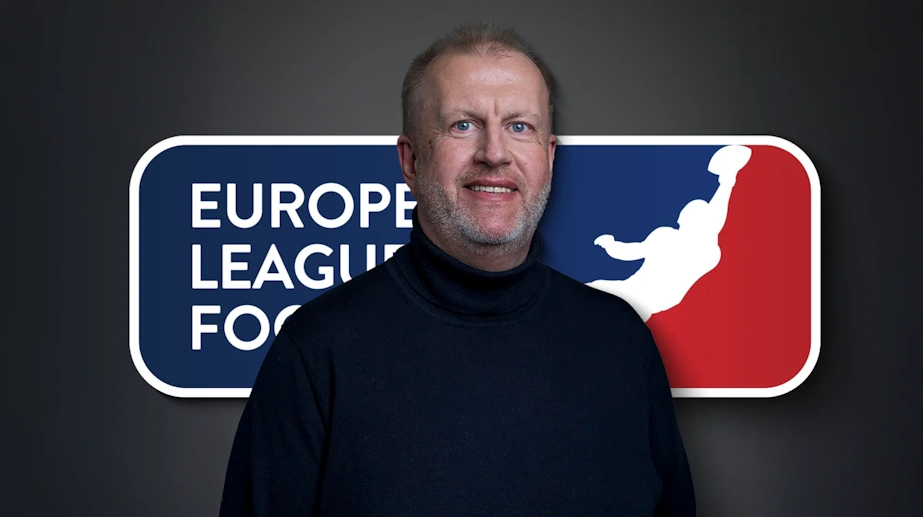
Tuesday 5th August 2025: The shareholders of the European League of Football have made a key and high-profile appointment: Ingo Schiller has been named Co-Chief Executive Officer and Chief Financial Officer (CFO) with immediate effect.
The 60-year-old sports executive and financial expert will play a central role in the strategic and economic development of the league. Schiller’s appointment was unanimously approved by the ELF shareholders. Zeljko Karajica, co-founder and CEO of the ELF, will—as previously announced—step down from management and operational duties at the end of the 2025 season.
According to Business News, Ingo Schiller will lead the upcoming talks with representatives of the 16 franchises from nine countries. The objective is to work together constructively to develop a stable and sustainable model for all stakeholders and to secure the long-term future of the ELF. Schiller will soon invite the franchise representatives to a meeting where particular attention will be given to suggestions from the European Football Alliance (EFA).
Ingo Schiller Brings Sports and Financial Expertise to the ELF
Ingo Schiller brings more than 30 years of experience in the sports and finance sectors. From 1992 to 1998, he headed the marketing/sales and merchandising departments at Borussia Mönchengladbach and also served as the commercial managing director of Stadionbau GmbH. From 1998 to 2022, Schiller was managing director at Hertha BSC, where he was responsible for key areas including finance, organisation, marketing & sales, infrastructure, human resources, legal, IT, and new business.
From 2013 to 2022, he also served on the supervisory board of the German Football League (DFL), which he additionally represented on the executive board of the German Football Association (DFB). Since 2023, Schiller has run his own consultancy agency focusing on corporate management, structural development, and mediation.
“With Ingo Schiller, we’ve gained a partner who has proven over decades how to lead sports
organizations strategically, economically, and structurally,” says Patrick Esume, ELF Commissioner.
“I greatly appreciate having him at my side through the end of this season—and beyond that, the league’s leadership is in the best possible hands,“ says ELF-CEO Zeljko Karajica.
“I’m looking forward to this task because I see enormous potential in the European League of Football—both in terms of athletic development and commercial success. The league has grown rapidly and excites football fans around the world, yet it is still at the beginning of its journey. I’m highly motivated to actively help shape the ELF in this responsible role, in close coordination with the franchises and shareholders,” says Ingo Schiller, the new Co-CEO and Chief Financial Officer of the European League of Football.
“Especially now, as we look to take the ELF to the next level and make it future-proof after a rapid build-up, Ingo Schiller—with his wealth of experience and expertise—is the right person in the right place. We’re very pleased to have brought him on board,” says Heinz Kierchhoff on behalf of the ELF shareholders.
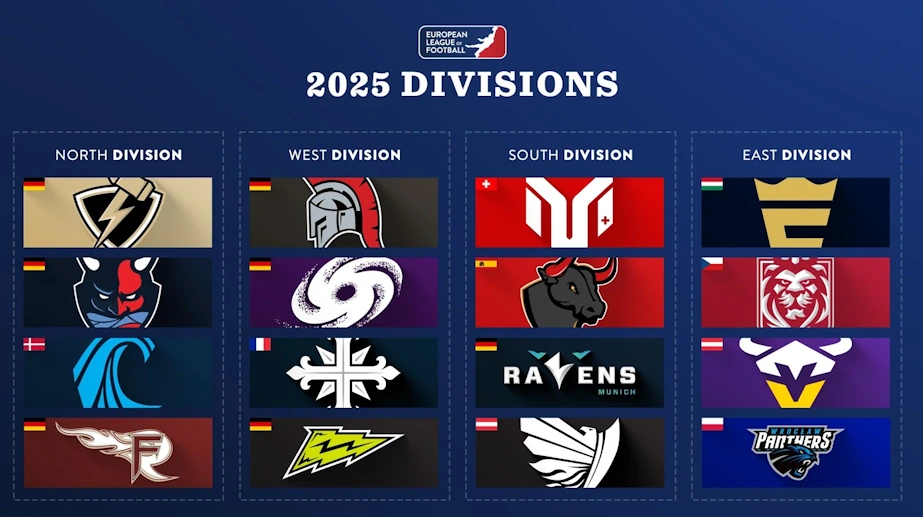
About the European League of Football (ELF)
The European League of Football (ELF) is a professional American football league based in Europe, founded in 2021 with the goal of bringing NFL-style competition and entertainment to European fans. Headquartered in Hamburg, Germany, it has quickly grown into the most prominent American football league on the continent.
The league began with a handful of teams, many of which were inspired by or revived from the old NFL Europe, such as the Frankfurt Galaxy and Rhein Fire. Since its inaugural season, the ELF has expanded rapidly and now features 16 franchises representing major cities across more than nine countries, including Germany, Austria, Spain, France, Switzerland, Hungary, Poland, Italy, and the Czech Republic.
Modeled after the structure of the NFL, the ELF organizes a regular season followed by playoffs and a championship game that crowns the best team in Europe. The league has made a point of blending local European talent with international players, giving athletes across the continent a platform to showcase their skills at a professional level. This makes the ELF not just a sports league, but a development hub for European players aspiring to play at the highest levels of American football.
In terms of media and fan engagement, the ELF has made significant strides. Its games are broadcast on both television and streaming platforms across Europe and beyond, and its digital presence continues to grow. The league has also attracted partnerships, sponsorships, and growing fan bases in cities where American football has historically been underrepresented.