Most kitchens weren’t designed for how people actually live today.
Understanding how smart kitchen appliances fit into modern home design will help you make better long-term decisions. This shift toward smarter living is part of a wider movement in home design, which you can explore further in broader home improvement and design insights.
In the projects I’ve followed and the homeowners I’ve spoken with, the difference isn’t just about adding technology. It’s about whether that technology fits into real routines. Some upgrades genuinely make life easier. Others end up being expensive features people stop using after a few months.
Understanding that difference is what separates a “smart” kitchen from a practical one.
What a Smart Kitchen Really Is (Beyond the Marketing)
A smart kitchen isn’t defined by a single appliance. It’s defined by how everything works together.
At its best, it’s a system where appliances communicate, automate repetitive tasks, and give you useful feedback. At its worst, it’s a collection of disconnected gadgets with separate apps and no real coordination.
The most functional setups I’ve seen typically include:
- Refrigerators that track contents and reduce duplicate grocery purchases
- Ovens with remote preheating and guided cooking programs
- Dishwashers that adjust cycles based on load size and soil level
- Lighting and fixtures that respond to voice commands or schedules
- A centralized app that doesn’t require juggling multiple platforms
But here’s the reality: most households don’t fully use all these features. The value comes from the few that integrate seamlessly into daily habits.
Why Smart Kitchen Adoption Is Accelerating
The growth of smart kitchens isn’t happening by accident. It’s being pushed by a mix of behavior changes and industry pressure.
Convenience That Actually Saves Time
Busy households aren’t looking for novelty. They’re looking to remove friction. Being able to preheat an oven on the way home or get alerts when a cycle finishes isn’t revolutionary, but it adds up.
Energy Efficiency Is No Longer Optional
Modern appliances are increasingly designed to optimize energy use automatically. In some cases, homeowners only notice the benefit when they see their utility bills stabilize over time.
Manufacturers Are Competing on Ecosystems
Appliance brands are no longer just selling hardware. They’re selling connected systems. The challenge is that not all of them play well together, which can create frustration if you mix brands without planning ahead.
Smart Homes Are Becoming the Baseline
Once a home includes smart lighting, thermostats, or security, the kitchen naturally becomes the next step. It’s rarely a one-time upgrade. It’s a gradual expansion.
How Smart Appliances Are Changing Kitchen Design
One of the biggest shifts isn’t in the appliances themselves, but in how kitchens are planned.
Integration Is Now a Design Priority
Appliances are being built into cabinetry, hidden behind panels, or positioned to maintain clean sightlines. The goal isn’t to showcase technology. It’s to make it disappear into the design.
Connectivity Is Part of the Layout
Wi-Fi strength, outlet placement, and spacing between devices are now part of the design conversation. These weren’t concerns a decade ago, but they directly impact how well a smart kitchen functions.
Kitchens Are Becoming Multi-Purpose Spaces
In smaller homes especially, kitchens now serve multiple roles. I’ve seen compact layouts where combination ovens and flexible appliances replaced the need for multiple bulky units. That shift is less about technology and more about making space work harder.
Where Most Smart Kitchens Fall Short: Organization
One of the most overlooked realities is this:
Technology doesn’t fix disorganization.
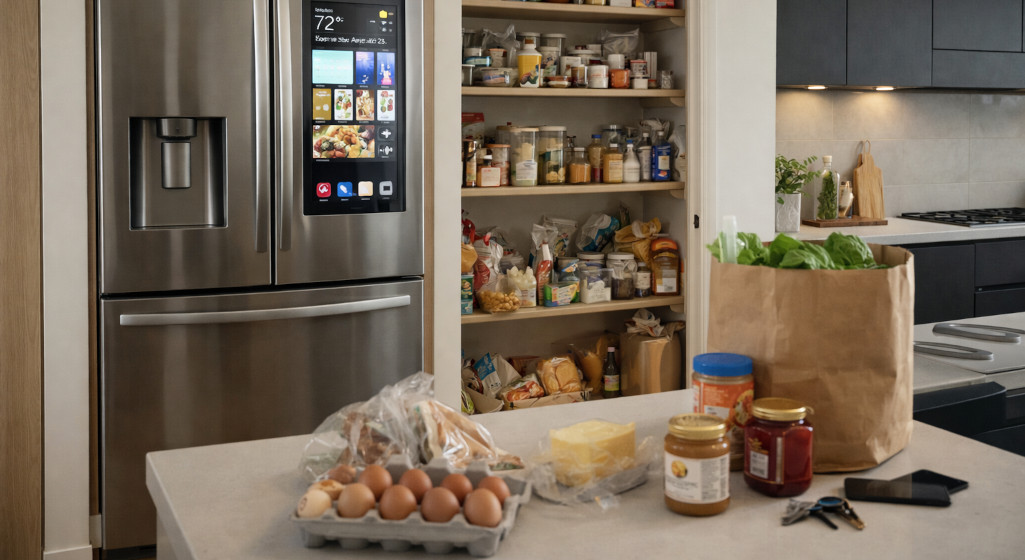
A homeowner can install a refrigerator with advanced inventory tracking, but if items are randomly placed or constantly moved, the feature becomes unreliable. This is where a solid approach to kitchen pantry organization makes a measurable difference, because it supports how these systems track and suggest usage.
In one case I observed, a household invested heavily in smart appliances but still struggled with food waste. The issue wasn’t the technology. It was that no one could quickly see what they already had.
A well-organized kitchen does three things better:
- Keeps ingredients visible and accessible
- Supports accurate tracking from smart systems
- Reduces duplication and waste
Smart features amplify good systems. They don’t replace them.
The Benefits—When Everything Is Set Up Properly
When a smart kitchen is thoughtfully planned, the advantages are noticeable.
Less Manual Oversight
Tasks like monitoring cooking times or adjusting temperatures become less hands-on. That frees up attention for other things, especially in busy households.
More Consistent Results
Guided cooking and precision controls reduce guesswork. This is particularly helpful for people who don’t cook frequently but want reliable outcomes.
Better Energy Awareness
Usage tracking makes consumption visible. Over time, that tends to influence behavior in subtle ways, like running appliances during off-peak hours.
Stronger Resale Appeal
In competitive markets, a well-integrated smart kitchen can stand out. Buyers are less impressed by individual features and more interested in how cohesive the system feels.
The Trade-Offs Most People Don’t Consider
Smart kitchens come with real benefits, but they also introduce new challenges.
Upfront Cost Adds Up Quickly
It’s not just the appliances. It’s installation, compatibility considerations, and sometimes upgrading other parts of the home to support them.
Ecosystem Lock-In Is Real
Once you commit to a specific brand or platform, switching becomes harder. Mixing systems without planning often leads to fragmented control.
Repairs Are More Complicated
Traditional appliance issues are usually mechanical. Smart appliances add software and connectivity layers, which can require specialized service.
Data and Privacy Questions
Connected devices collect usage data. While most major brands have safeguards, it’s still something homeowners should be aware of.
What’s Coming Next
The direction is clear, even if the timeline varies.
We’re already seeing:
- Appliances that adjust cooking based on user habits
- Integration with health and nutrition tracking tools
- More refined voice and gesture controls
- Systems that optimize themselves for energy and efficiency
But the most meaningful improvements won’t be the flashiest ones. They’ll be the features that quietly remove friction from daily routines.
Practical Advice Before You Upgrade
If you’re considering a smart kitchen, starting small is usually the better approach.
Focus on appliances that deliver immediate, practical value:
- A smart oven with reliable remote control
- A refrigerator that helps reduce overbuying
Then expand based on what you actually use.
It’s also worth prioritizing compatibility early. Choosing devices within the same ecosystem avoids a lot of unnecessary complexity later.
And just as important, invest time in layout and organization. A well-planned kitchen will outperform a poorly designed one, regardless of how advanced the technology is.
What Stands Out After Seeing Real Setups
The most effective smart kitchens aren’t the most expensive ones.
They’re the ones where every addition has a clear purpose.
In contrast, the least successful setups tend to follow a pattern:
- Too many disconnected devices
- Features that sound useful but don’t fit daily habits
- Overreliance on technology to compensate for poor layout
The difference isn’t budget. It’s intentionality.
Frequently Asked Questions
Are smart kitchen appliances worth it?
They can be, especially when the features align with how you already use your kitchen. The return comes from consistent use, not novelty.
Do they require a strong internet connection?
Yes. Without stable connectivity, many features either lag or stop working entirely.
Do they increase home value?
In many cases, yes. Buyers tend to respond well to kitchens that feel modern and integrated rather than pieced together.
Are they harder to maintain?
Basic maintenance is similar, but technical issues can be more complex and may require specialized service.
Smart Kitchens, Done Right
Smart kitchens aren’t about turning your home into a tech showcase.
At their best, they simplify routines, reduce small frustrations, and make everyday tasks more efficient. At their worst, they become a collection of underused features that add complexity without real benefit.
The difference comes down to how well the technology fits the way you actually live.
A kitchen doesn’t need to be fully automated to be smart. It just needs to work better than it did before.