Samsung exits China’s TV and home-appliance market, ending a 34-year run in one of the world’s toughest consumer electronics markets.
For years, Samsung struggled to keep pace with rapidly improving Chinese competitors like Hisense, TCL, Xiaomi, Haier, and Midea. Those brands gained market share by offering competitive pricing, aggressive innovation, and products designed specifically for local consumers.
Samsung’s withdrawal from direct appliance sales in China may sound dramatic, but it does not mean the company is abandoning appliances altogether. In the United States, Samsung remains one of the largest appliance brands in major retailers and suburban homes alike. Walk through appliance showrooms across Georgia or the broader Southeast, and Samsung refrigerators, washers, and smart kitchen packages still occupy plenty of floor space.
The bigger takeaway is not that Samsung products are disappearing. It is that the global appliance market is changing quickly, and even major international brands are being forced to rethink where they compete.
Key Takeaways
- Samsung ended direct TV and home appliance sales in mainland China in May 2026 after more than three decades in the market.
- Chinese brands now dominate the country’s appliance and television sectors.
- Samsung reportedly faced heavy financial losses in its China appliance division during 2025.
- The company is expected to continue manufacturing some products in China for export markets, including the United States.
- Samsung appliance support and warranties remain active for existing customers.
- U.S. homeowners are unlikely to see immediate disruptions in product availability or repair support.
What Happened to Samsung in China?
Samsung entered China’s appliance market in 1992, when foreign electronics brands carried enormous prestige among Chinese consumers. At the time, owning a Samsung television or refrigerator represented status and reliability.
That advantage slowly disappeared over the past decade.
Chinese manufacturers have dramatically improved product quality while keeping prices highly competitive. At the same time, domestic companies adapted more quickly to local buying trends, smart-home preferences, and aggressive online retail strategies.
By 2025, local brands controlled the overwhelming majority of TV and appliance sales in China. Samsung’s market share had shrunk to the point where maintaining large-scale consumer appliance operations became increasingly difficult to justify financially.
Reports also indicated that Samsung’s appliance division in China lost roughly 200 billion won, or about $138 million, during 2025.
Samsung had already been scaling back for years. The company previously closed its Tianjin TV factory in 2020, and this latest move appears to complete that transition away from direct consumer appliance sales in mainland China.
Why Samsung Lost Ground
Samsung’s decline did not happen overnight. Several long-term trends gradually weakened the company’s position.
Domestic Competition Became Fierce
Brands like TCL, Hisense, and Xiaomi improved rapidly in both quality and technology. In many cases, consumers could purchase similar features at lower prices without sacrificing performance.
For average buyers, that value difference mattered.
Chinese manufacturers also moved aggressively into smart home integration, AI-powered appliances, and online-first retail strategies that appealed to younger consumers.
Consumer Sentiment Shifted
Political tensions between South Korea and China, particularly after the 2017 THAAD missile defense dispute, contributed to changing consumer attitudes in parts of the Chinese market.
Many shoppers increasingly favored domestic brands, a trend often described as “patriotic consumption.”
Foreign brands were no longer viewed as automatically superior.
Costs Continued Rising
Samsung also faced rising operational costs, tighter profit margins, and pressure on the global supply chain.
Like many appliance manufacturers, the company had to balance:
- manufacturing expenses
- international tariffs
- logistics disruptions
- fluctuating consumer demand
Eventually, China’s highly competitive appliance market became harder to sustain profitably.
What This Means for U.S. Homeowners
For most American consumers, Samsung’s exit from China is unlikely to cause noticeable day-to-day changes.
Samsung still maintains a strong presence in the United States, especially in:
- refrigerators
- front-load laundry appliances
- smart kitchen systems
- connected home technology
The company is expected to continue manufacturing certain products in China for export markets while focusing more heavily on regions where it remains highly competitive.
That could potentially lead to:
- increased focus on premium appliances
- stronger smart home integration
- more aggressive competition with other major brands
- expanded AI and connected-device features
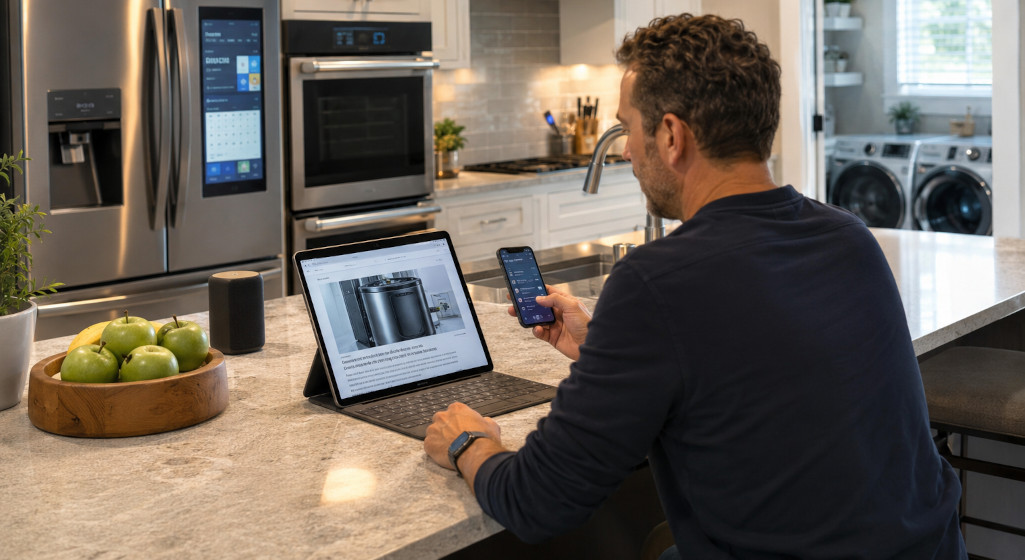
As appliance manufacturers continue competing through technology rather than just pricing, connected ecosystems and app-controlled features are becoming a much larger part of the ownership experience. Recent trends in smart kitchens show how refrigerators, ovens, and laundry systems are increasingly designed to work together inside connected homes.
From a practical standpoint, homeowners in places like Buford and the greater Atlanta area will likely continue to see Samsung appliances widely available through retailers, builders, and replacement purchases.
Why Local Appliance Service Still Matters
Global corporate strategy does not change one simple reality: appliances still break down unexpectedly.
A refrigerator can stop cooling during the middle of a Georgia summer. A washer may suddenly fail to drain before a weekend. Dishwashers still leak, dryers still overheat, and electronic control boards still fail without much warning.
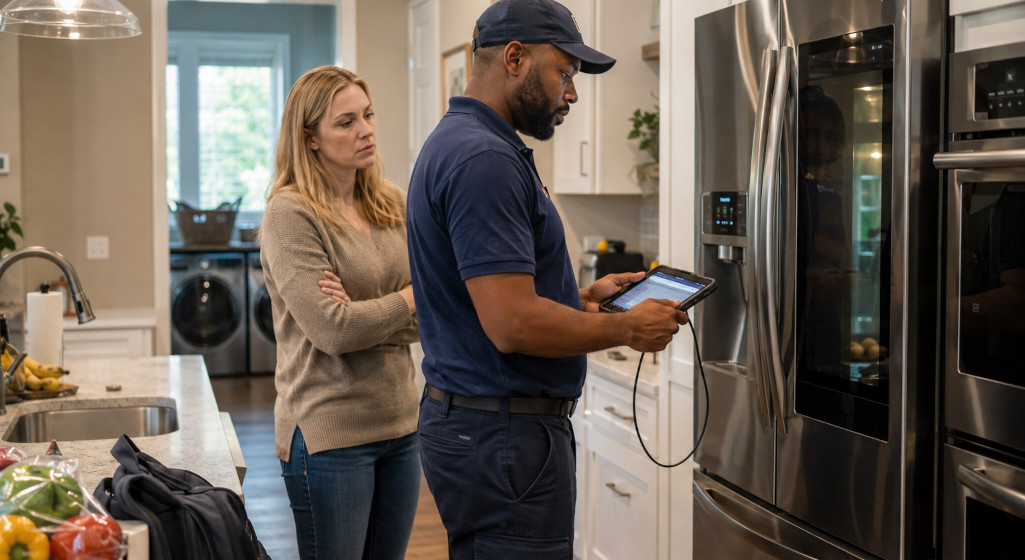
Modern Samsung appliances also rely heavily on digital components and smart technology. In many repair cases today, technicians are troubleshooting sensors, control boards, or communication errors rather than older mechanical systems.
That is why dependable local repair support matters just as much as the brand name on the appliance itself. Homeowners dealing with sudden breakdowns often search for guidance on how to get same-day appliance repair in Buford, GA before minor appliance problems become larger and more expensive repairs.
Homeowners who already own Samsung products should pay close attention to:
- warranty coverage
- parts availability
- technician experience
- local service response times
Will Samsung Still Manufacture Appliances in China?
Yes.
Samsung is not completely leaving Chinese manufacturing. The company is expected to continue operating certain facilities tied to export production.
Products sold in the United States may still be manufactured or assembled in China depending on the appliance category and supply chain structure.
Samsung also continues investing heavily in:
- semiconductors
- mobile devices
- research and development
- medical technology
- AI-related technologies
The company appears to be narrowing its focus toward business segments with stronger long-term profitability.
What Existing Samsung Owners in China Can Expect
Samsung stated that warranty coverage and customer support services for existing customers in China will continue.
That includes:
- repair support
- warranty obligations
- replacement parts access
- customer service assistance
Consumers who already own Samsung appliances are not expected to lose support simply because the company has stopped direct sales of appliances in mainland China.
What Homeowners Can Learn From This
Samsung’s exit from China does not necessarily reflect poor product quality. Even globally recognized brands can struggle when local competitors adapt faster to changing markets.
For homeowners, the bigger lesson is that buying an appliance involves more than choosing a recognizable logo.
Long-term ownership depends on:
- Repair accessibility
- Parts support
- Warranty strength
- Reliability history
- Service availability
- Ongoing maintenance costs
That matters even more today because modern appliances are increasingly software-driven and electronically complex.
A smart refrigerator loaded with features may look impressive in a showroom, but reliable service and access to parts often become more important after several years of ownership.
Frequently Asked Questions
Will Samsung appliances still be available in the United States?
Yes. Samsung remains a major appliance manufacturer in the United States and continues selling refrigerators, washers, dryers, dishwashers, and smart appliances nationwide.
Does Samsung’s exit from China affect homeowners in Buford, Georgia?
No major disruptions are expected. Samsung products and repair services remain widely available throughout Georgia and the broader U.S. market.
Are Samsung warranties still valid?
Yes. Samsung stated that existing warranty and support obligations remain active for current customers.
Does Samsung still manufacture appliances in China?
Yes. Some Samsung appliances intended for export markets may still be manufactured in China.
Why did Chinese appliance brands outperform Samsung?
Chinese manufacturers gained market share through competitive pricing, rapid innovation, strong local market understanding, and growing consumer preference for domestic brands.
Is Samsung leaving the appliance industry entirely?
No. Samsung remains heavily involved in the global appliance and consumer electronics industries.
The Bigger Picture Behind Samsung’s Exit
Samsung’s exit from China’s home appliance market closes an important chapter for one of the world’s largest electronics companies. Still, for most homeowners in the United States, the change will probably go unnoticed in everyday life.
Samsung appliances remain widely sold, widely serviced, and deeply integrated into today’s smart-home market.
The more interesting story is what this shift reveals about the appliance industry itself. Chinese manufacturers have become far more competitive globally, and even established international brands are being forced to adapt quickly.
For homeowners, that makes long-term support, access to repairs, and reliability more important than ever. A recognizable brand name still matters, but dependable service and practical ownership costs often matter more once the appliance is actually inside your home.